If you own property near Stratton Mountain or in Winhall, you've probably run the numbers on both options: rent it long-term on a seasonal lease, or list it on Airbnb and manage it as a short-term rental. The honest answer depends on your property, your availability, and how much you want to be involved — but for most owners in this area, the math favors short-term rental by a significant margin.
Related: see our deeper guide on Airbnb vs. Vrbo for Vermont Vacation Rentals: Which Platform Earns More? for a focused walkthrough on Airbnb vs Vrbo Vermont vacation rental.
What "Seasonal Rental" Usually Means in Southern Vermont
In the Stratton and Winhall area, seasonal rentals typically refer to ski-season leases — usually November or December through March or April. A tenant pays a flat rate for the season, and you get predictable income with minimal management during that window.
Some owners also do summer seasonals, though demand is thinner and rates are lower than the ski season.
Typical Seasonal Rental Rates Near Stratton
A 3-bedroom property near Stratton in good condition typically rents seasonally for $15,000–$30,000 for the ski season, depending on location, amenities, and finish level. A 5-bedroom luxury property with a pool might reach $50,000–$65,000 for the season.
These numbers sound solid — but they cover roughly 4–5 months, and you're giving up the property for the entire window with no ability to adjust pricing or block personal use.
Typical Airbnb Income for the Same Properties
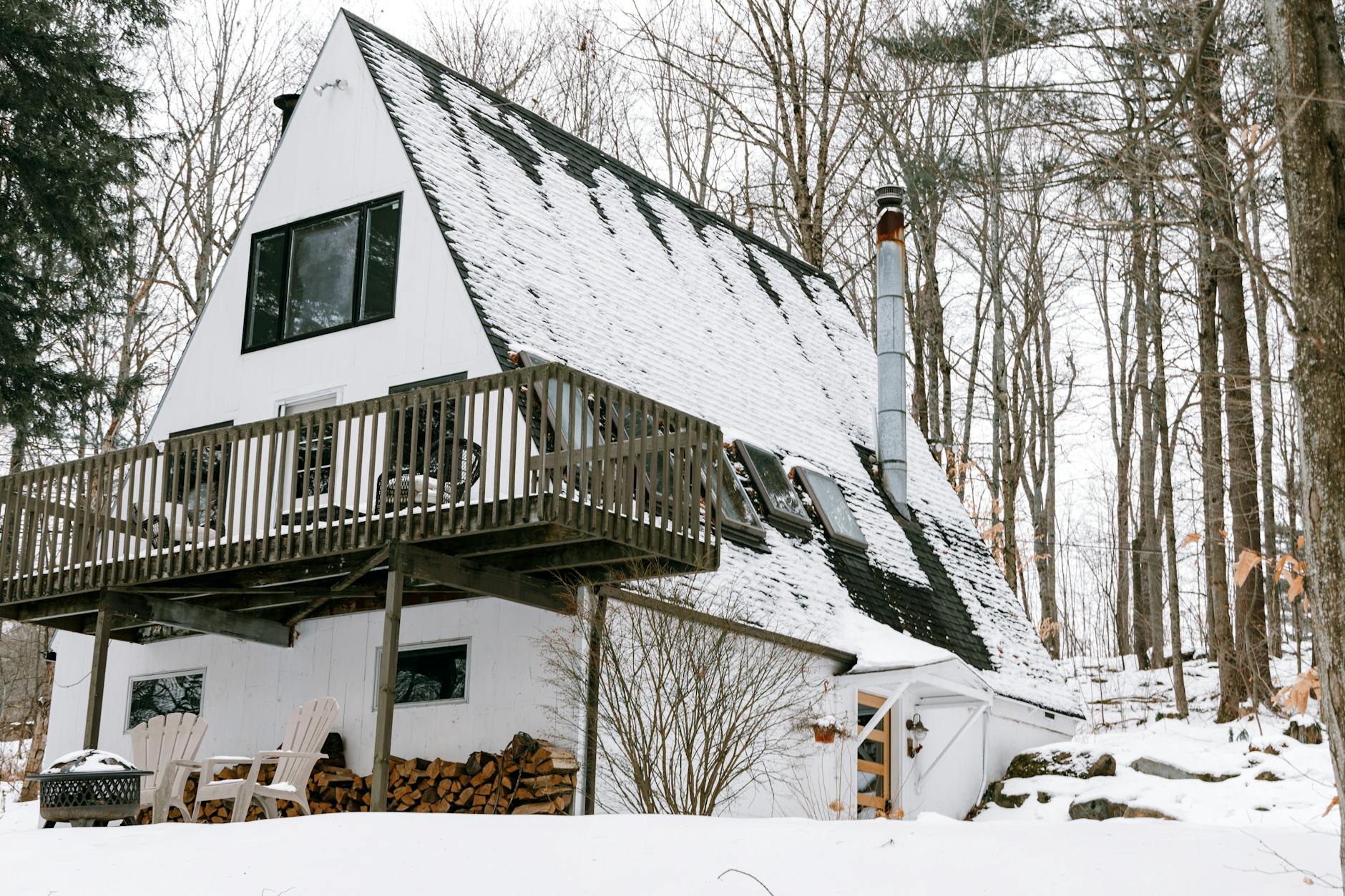
The same 3-bedroom property, managed well on Airbnb, can generate $60,000–$90,000 annually. A luxury 5-bedroom with a pool and hot tub in the Stratton area can reach $180,000–$220,000 or more in a strong year.
These numbers aren't hypothetical — they reflect actual performance data from properties in this market. The key variables are pricing strategy, listing quality, amenity package, and management responsiveness.
Why the Gap Is So Large
Three factors drive the income difference:
- Peak weekend premiums: Ski weekends in January and February command $800–$2,000+ per night for well-positioned properties. A seasonal tenant pays a flat rate that doesn't capture these peaks.
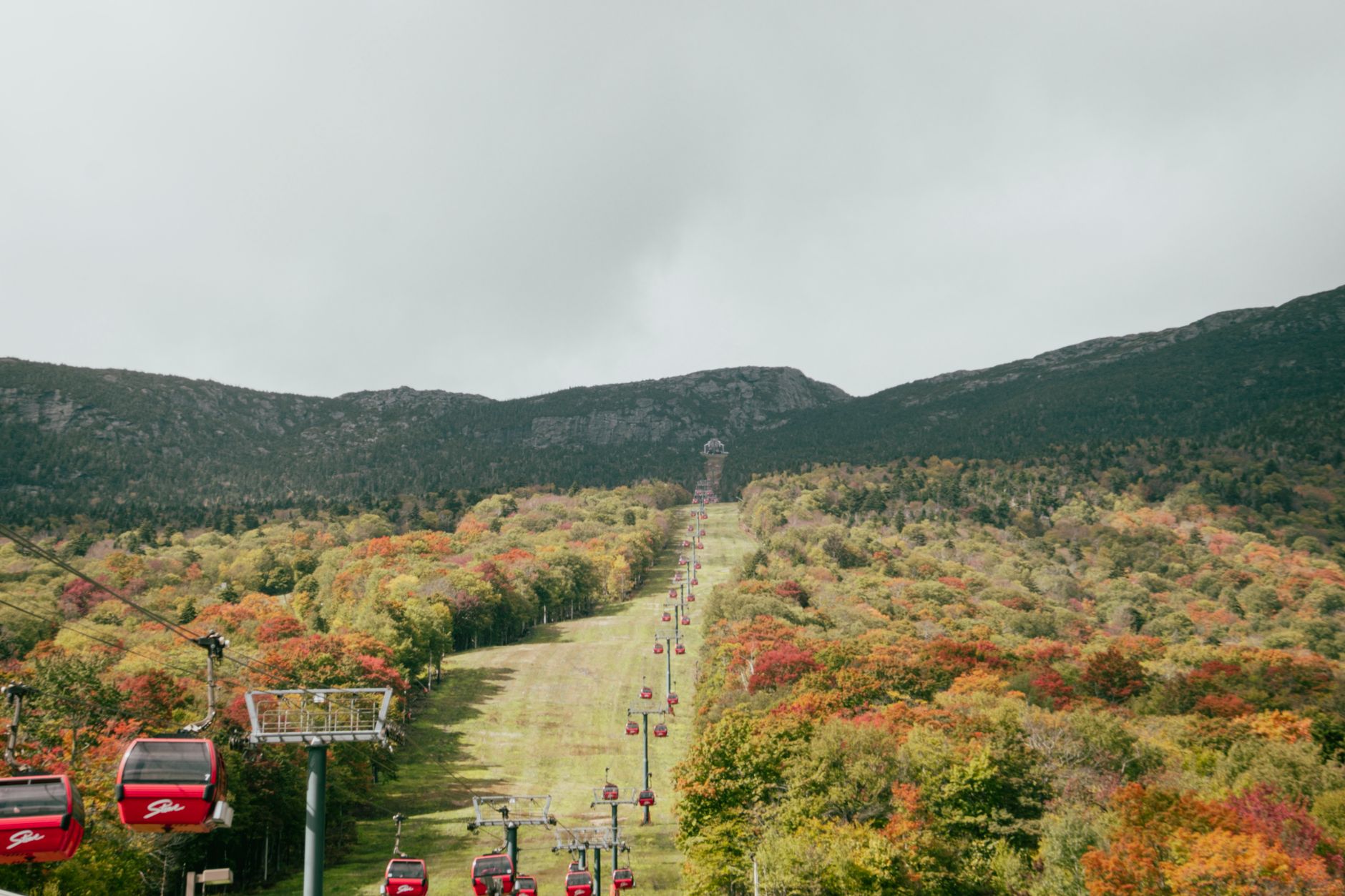
- Year-round demand: Stratton draws guests in summer for golf, hiking, and mountain biking, and fall for foliage. A seasonal lease covers only winter.
- Dynamic pricing: Airbnb allows you to charge more when demand is high and discount to fill gaps. A lease locks you into a fixed rate regardless of what the market would pay.
The Real Costs of Short-Term Rental
The income gap is real — but so are the additional costs:
- Management fees: Professional managers typically charge 20–30% of gross revenue in this market. On $90,000, that's $18,000–$27,000.
- Cleaning costs: STR cleaning runs $150–$350 per turnover depending on property size. On a busy property, this adds up.
- Maintenance and supplies: Higher turnover means more wear, more restocking, and faster depreciation on linens and equipment.
- Vermont Meals and Rooms Tax: STR income is subject to Vermont's 9% meals and rooms tax (10% as of the 2024 surcharge). Seasonal rentals are taxed as regular rental income.
Even after these costs, most well-managed STRs in the Stratton area significantly outperform seasonal leases on a net basis.
When Seasonal Rental Makes More Sense
There are genuine cases where seasonal rental is the better choice:
- You want simplicity. One tenant, one payment, minimal ongoing management. If you don't want to think about your property during the season, a lease is cleaner.
- You can't handle the management overhead. STR management requires responsiveness, logistics, and either your time or a manager's. If neither is available, performance suffers.
- Your property has STR limitations. Some HOAs restrict short-term rentals. Some owners are uncomfortable with the liability exposure of frequent guests.
- You rely on the income predictability. A lease guarantees income upfront. Airbnb revenue fluctuates — a bad winter, a booking slump, or an unexpected closure can hit hard.
Winhall-Specific Considerations
If your property is in Winhall, note that Winhall adopted STR permit requirements in 2023. Permits are required to operate legally, and there are limits on total permits issued in certain zones. Operating without a permit creates real liability. This doesn't eliminate the income advantage of STR — but it's a compliance step that seasonal rental doesn't require.
The Bottom Line
For most owners near Stratton with a well-maintained property and either the time or a good manager, short-term rental outperforms seasonal leasing by a substantial margin — often 2x or more on gross revenue, and meaningfully more on net after costs.
The calculation changes if you value simplicity over income, if your property has restrictions, or if you need perfectly predictable cash flow. But for owners who want to maximize what their Vermont property earns, Airbnb wins the comparison.
If you're weighing the decision for a specific property, talk to us. We can model out realistic numbers for your address, and give you an honest read on what your property could earn under professional management.
Related reading
- Winhall, Vermont Luxury Rentals: The Quiet Town That Beats the Stratton Crowds
- Dog-Friendly Vacation Rentals Near Stratton Mountain, Vermont
Related guides for Vermont STR owners