
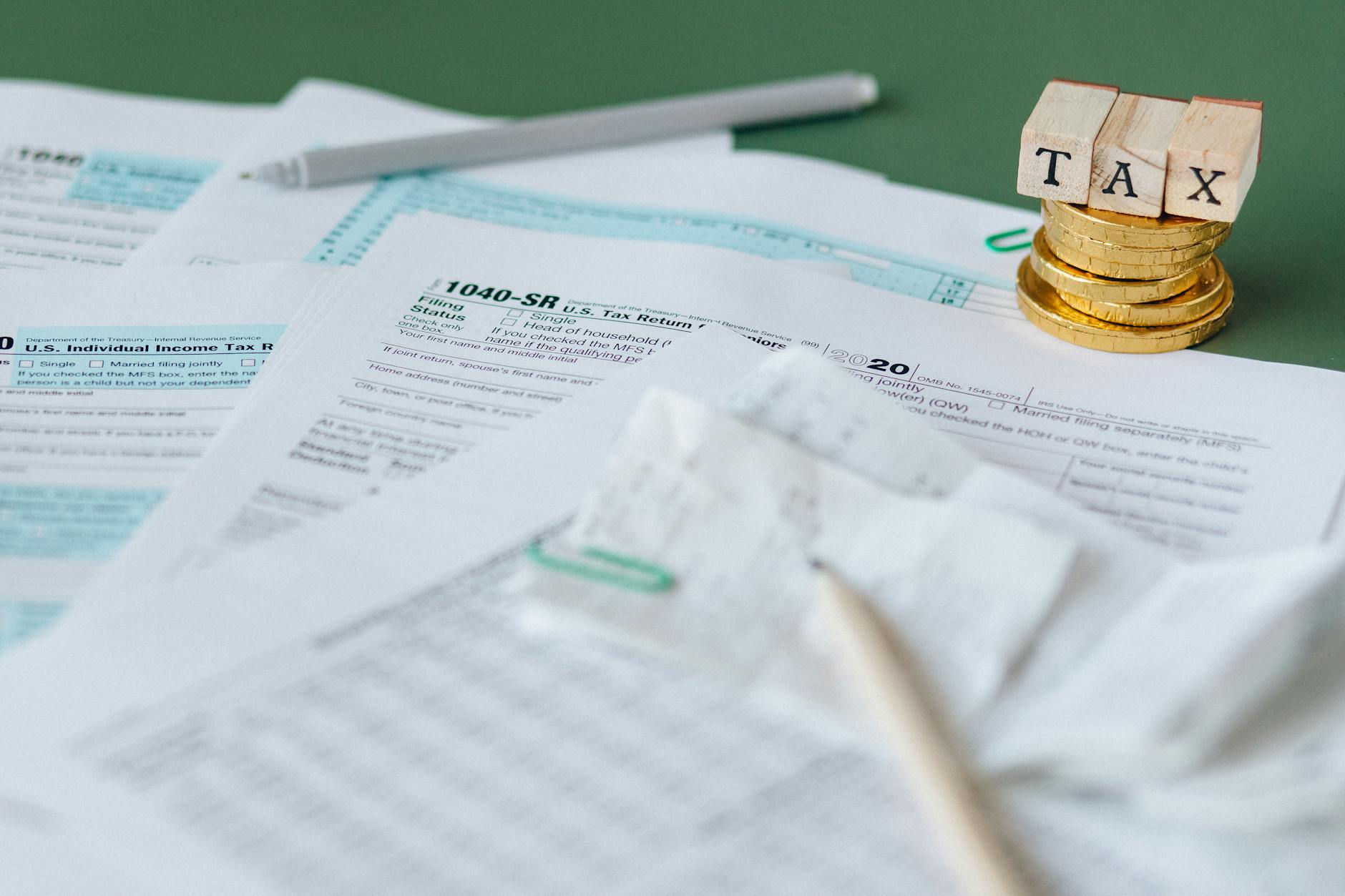
If you own a house or condo near Stratton Mountain or anywhere in southern Vermont, and you're renting it out to vacationers—or thinking about it—you need to understand Vermont's Rooms and Meals Tax. It's one of the most misunderstood obligations for short-term rental owners, and getting it wrong can cost you thousands in penalties and back taxes. The good news? It's straightforward once you understand the rules, and we're going to walk you through exactly what you owe in 2026.
What Is Vermont's Rooms and Meals Tax?
Vermont's Rooms and Meals Tax is a 9% tax levied on short-term rental accommodations. If you're renting out your property for 29 days or fewer at a time, you're almost certainly subject to it. This isn't an income tax—it's a transactional tax, similar to hotel tax. You collect it from your guests and remit it to the Vermont Department of Taxes.
Here's what matters: you are responsible for collecting and remitting this tax, even if you're using an online platform like Airbnb or Vrbo. Those platforms don't automatically handle Vermont tax collection the way they do in some other states. If you're a property owner in Winhall, Bondville, or anywhere in our region renting directly to guests or through a property manager, this is your responsibility.
The rate has held steady at 9% for several years, and there's no indication it will change by 2026. However, Vermont has been tightening enforcement, particularly in tourist areas like the Stratton Mountain region, so understanding and complying with the tax is more important than ever.
Who Has to Pay Vermont Rooms and Meals Tax?
Not every property owner pays this tax. The threshold is 29 consecutive days. Here's the critical distinction:
- Rentals of 29 days or fewer: Subject to 9% Rooms and Meals Tax
- Rentals of 30+ consecutive days: Not subject to Rooms and Meals Tax (though other rules may apply)
This is where seasonal property owners in the Stratton region need to pay attention. Many owners rent weekly or for long weekends during ski season and summer, which means every single booking triggers the tax. But if a tenant rents for the entire winter season (30+ days), that's a different tax situation altogether—one that typically involves residential lease agreements and different income reporting.
The "consecutive days" part is important. If a guest books a property for 20 days, checks out, and a new guest books for 15 days, you owe tax on both stays. You don't combine them into a single 35-day rental.
How Much Tax Do You Actually Owe?
The math is simple: 9% of the total nightly rental rate, including any cleaning fees or service charges.
Let's work through a real example. Say you own a three-bedroom chalet near Stratton Mountain and charge $250 per night during ski season (January through March). You also charge a $150 cleaning fee per stay. A guest books for 4 nights:
| Item | Amount |
|---|---|
| Nightly rate (4 nights × $250) | $1,000 |
| Cleaning fee | $150 |
| Taxable revenue | $1,150 |
| Rooms and Meals Tax (9%) | $103.50 |
| Guest pays total | $1,253.50 |
You collect $103.50 from the guest and remit it to Vermont. That's it. It's the guest's cost, not yours—though you're the one responsible for calculating and sending it in.
What's Taxable and What Isn't?
This is where owners get tripped up. Not every fee is subject to the 9% tax. Here's what Vermont taxes and what it doesn't:
| Item | Taxable? | Notes |
|---|---|---|
| Nightly rental rate | Yes | Always taxable |
| Cleaning fees | Yes | Part of the rental accommodation service |
| Service charges | Yes | Platform fees you add; not third-party booking fees |
| Pet fees | Yes | Incidental to the rental |
| Parking fees | No | Can be taxed separately as a distinct service or excluded |
| Activities or experiences | No | If billed separately and clearly itemized |
| Property damage deposits | No | Not taxed if refundable; taxed if kept as a fee |
The key principle: if it's part of the accommodation itself, it's taxable. If it's a separate service or refundable, it usually isn't. When in doubt, err on the side of including it in the tax calculation—it's safer than underpaying.
When and How to Remit Vermont Rooms and Meals Tax
Vermont uses a quarterly filing system. You're required to file returns and pay taxes on the following schedule:
- Quarter 1 (January–March): Due by April 20
- Quarter 2 (April–June): Due by July 20
- Quarter 3 (July–September): Due by October 20
- Quarter 4 (October–December): Due by January 20
You file through the Vermont Department of Taxes online portal. You'll need to register your rental property as a business and obtain a Sales Tax Account Number (STAN) if you don't already have one. Registration is free and straightforward on the state's website.
Each quarterly return requires you to report:
- Total rental revenue for the quarter
- Rooms and Meals Tax collected
- Payment (by check, ACH, or credit card)
Keep meticulous records. Save copies of all reservation confirmations, guest ledgers, and payment records. For properties managed by a vacation rental management company like Far & Away Homes, these records are typically maintained on your behalf—another reason professional management pays for itself.
What Happens If You Don't Pay?
This is where the stakes get real. Vermont doesn't play around with tax compliance, especially in high-tourism areas like Stratton Mountain and Manchester. Penalties for non-compliance include:
- Failure to file: 10% penalty per month (up to 50%)
- Underpayment: Interest at approximately 10% annually, plus penalties
- Fraud: Criminal charges (rare, but possible for intentional evasion)
- Audit costs: Vermont can go back three years and assess all unpaid taxes plus interest and penalties
We've seen property owners in our region face $8,000 to $15,000 in unexpected tax bills when audited after years of non-compliance. It's not worth it. The quarterly filing takes a few hours per quarter if you stay on top of it.
Special Considerations for Stratton Mountain Area Rentals
If your property is in or near Stratton—whether that's the mountain itself, Bondville, Winhall, or Manchester—you should know that the Vermont Department of Taxes actively monitors vacation rental platforms for properties in tourist zones. The state knows who's renting near the ski area, and they're increasingly cross-referencing online booking sites with tax filings.
Additionally, some towns in southern Vermont have local ordinances that layer on top of state tax. Always check with your town's selectboard or planning office about short-term rental permits, local taxes, or restrictions. For example, some towns limit the number of days per year a property can be rented, or require a local permit.
If you're unsure about your town's rules, we can help clarify. We manage properties throughout southern Vermont and know the specific requirements in each town.
Accounting and Record-Keeping Made Simple
The best way to stay compliant is to separate your Rooms and Meals Tax from your rental income from day one. Here's a practical approach:
- Keep a spreadsheet (or use accounting software) that tracks every reservation, the nightly rate, cleaning fees, and the 9% tax owed
- Set aside the tax amount immediately in a separate bank account
- Don't use tax money for operating expenses
- File quarterly, on schedule
Related guides for Vermont STR owners
