The first hard freeze in Winhall doesn't ask permission. It hits in late October, sometimes earlier, and if your hose bibs are still pressurized or your gutters are full of maple leaves, you'll find out the expensive way. Vermont vacation rentals don't fail because owners don't care. They fail because the seasonal rhythm here is faster and harsher than most people expect, and a checklist that works in the Catskills or the Berkshires will leave gaps the size of a frozen pipe.
Here's what actually needs to happen, season by season, to keep a short-term rental near Stratton running without surprise calls from guests at 11 p.m. on a Saturday.
Why Vermont Maintenance Schedules Are Different
Southern Vermont gets hit by every kind of weather. Sub-zero stretches in January, mud season in April, humid 80-degree afternoons in July, then ice storms again by Halloween. Most homes in Winhall, Bondville, and Stratton sit on dirt or gravel roads, surrounded by tree cover, with well water and septic systems instead of municipal utilities.
That changes everything. A house in this region doesn't just need maintenance. It needs seasonal maintenance, timed to weather windows that close fast.
Owners who self-manage from out of state often miss these windows entirely. By the time you've driven up from Boston or New York to deal with a problem, the damage is done. That's why the checklist below is built around when, not just what.
Fall: The Most Important Season for Maintenance (September–November)
If you only do one round of seasonal work, do this one. Fall maintenance prevents 80% of winter emergencies. The window is roughly Labor Day to the first hard freeze, which usually arrives between October 15 and November 5 depending on elevation.
Exterior
- Drain and shut off all exterior water. Hose bibs, irrigation, outdoor showers. Disconnect hoses. A frost-free spigot still freezes if a hose holds water against it.
- Clean gutters twice. Once after the bulk of leaves drop (mid-October) and again before the first snow. Maple, oak, and birch debris freezes into ice dams faster than you'd think.
- Inspect the roof. Loose shingles, flashing around chimneys, anywhere snow can wedge in. Get this done before the foliage crowds book up local roofers.
- Stack and cover firewood. If you have a fireplace or wood stove, guests will use it. Two cords minimum for a season, kept dry and accessible without a snowblower.
- Mark the driveway. Reflective stakes every 10–15 feet. Plow drivers can't see edges under two feet of snow.
Interior and Mechanical
- Service the heating system. Boiler or furnace tune-up, oil tank topped off (most local suppliers run on automatic delivery, but confirm). Replace filters.
- Test every smoke and CO detector. Vermont requires both, and guests using fireplaces or gas appliances make CO a real risk.
- Check the hot tub. If you have one, this is when the heater works hardest. Drain, clean, refill, and verify the cover seals. A failed hot tub in February costs more than a new cover.
- Inspect the chimney. Annual sweep if the fireplace gets used. Creosote buildup is the leading cause of chimney fires in this region.
- Stock winter consumables. Ice melt (pet-safe), snow shovels, extra blankets, replacement bulbs for outdoor fixtures that take a beating.
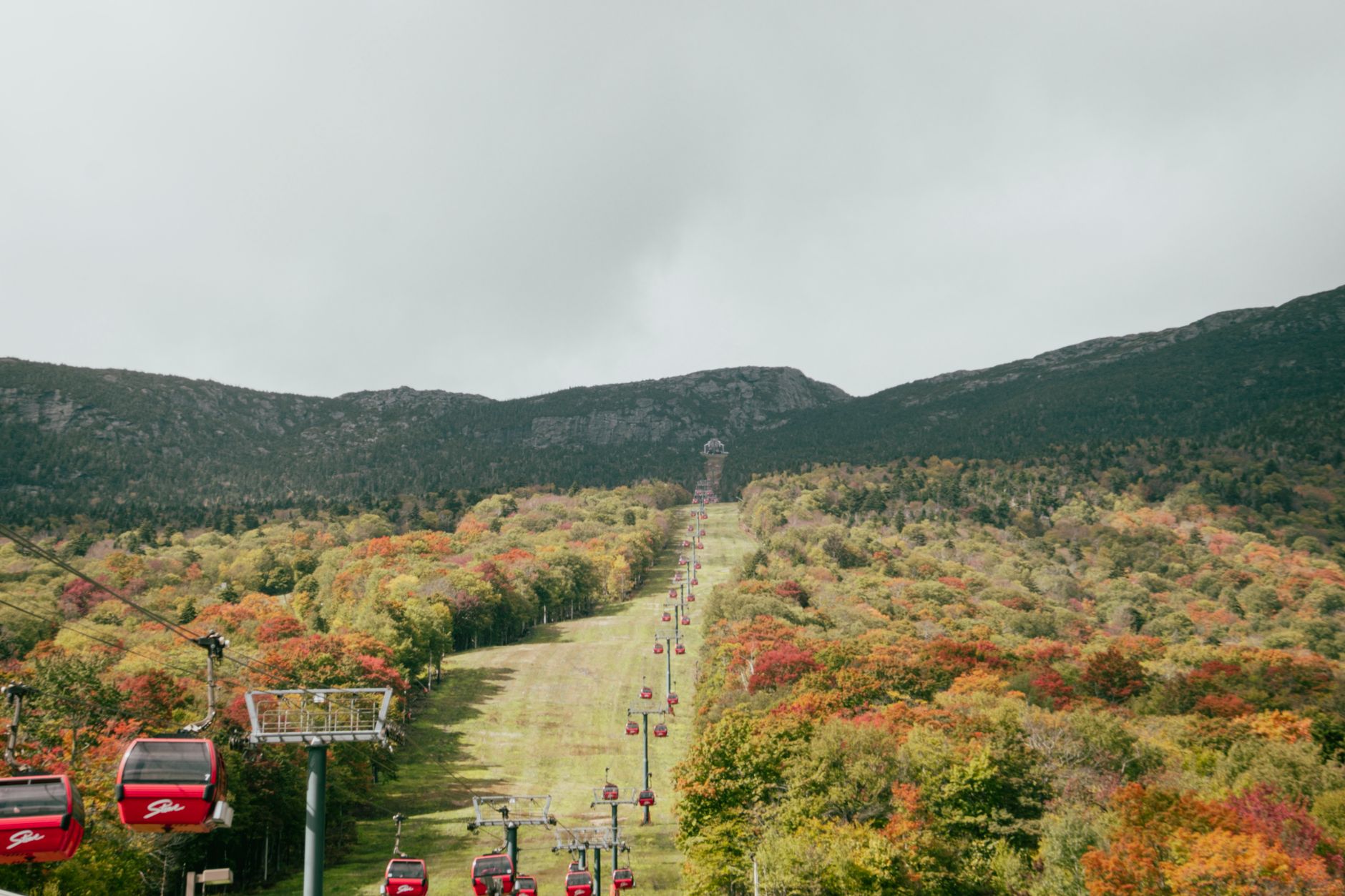
Fall is also peak booking season. Foliage weeks in early to mid-October fill up months ahead, so any maintenance that requires shutting the house down has to happen in September or late November. If you're trying to figure out the booking calendar around this, our Stratton fall foliage guide walks through the timing guests actually look for.
Winter: Active Maintenance, Not Just Survival (December–March)
Winter isn't a season you prep once and forget. It's the most active maintenance period because the house is full almost every weekend and the weather is constantly trying to break something.
Weekly During Peak Ski Season
- Plowing and walkway clearing. Every storm, ideally before guest arrival. A reliable plow contract booked in October is worth more than gold by January.
- Roof rake after heavy snow. More than 18 inches on a roof creates ice dam risk. Rake the bottom 4–6 feet of roofline.
- Check the heat in unused rooms. Set minimum 55°F everywhere, even closets and basements. One closed door to a cold room is enough to freeze a pipe.
- Hot tub chemistry. Heavy use plus snow contamination changes water faster than summer. Test twice a week if it's getting daily use.
Between Stays
- Run every faucet briefly to confirm water flow. A pipe that's started to freeze sometimes still passes a trickle before it bursts.
- Check that all exterior doors are sealing. Wind-driven snow can pile up inside a mudroom if a door's swelled.
- Inspect bathrooms for leaks. Heavier guest use plus temperature swings stress fittings.
This is also where guest communication matters. Setting expectations about plowing schedules, fireplace use, and hot tub rules prevents 90% of the calls that turn into damage. Our piece on what to send guests and when covers the message templates that actually reduce maintenance load.
Spring: Mud Season Damage Control (April–May)
Vermont's mud season is real and it's brutal. Dirt roads turn to soup, frost heaves crack pavement, and water finds every weak spot in your foundation. Most owners think spring is a slow maintenance month. It's not. It's when winter damage shows up.
Exterior
- Walk the entire property. Look for cracked driveway, heaved walkways, downed branches, foundation cracks, ice damage on siding.
- Re-grade and refresh gravel. Driveways and parking pads usually need a yard or two of fresh stone after winter.
- Clean gutters again. Spring debris from budding trees clogs them faster than fall leaves.
- Power wash decks and stairs. Salt, sand, and ice melt residue eat finishes.
- Reopen exterior water. But not until you're confident nights are above freezing. Mid-May is safe at most elevations around Stratton; April is a gamble.
Interior
- Deep clean. Heavier than a turnover clean. Mattresses flipped, baseboards wiped, light fixtures dusted, oven and fridge pulled out. Many owners coordinate this with their cleaning crew as an annual reset. The standards guests expect are higher than most owners realize, which we cover in our cleaning standards breakdown.
- Inspect for water intrusion. Basements, attic, around windows. Snow that melted into a wall in March shows up as a stain in May.
- Service the septic if it's been 3+ years. Spring is the easiest time to access tanks before yards firm up.
- Test the well pump and water quality. Annual water testing is smart, especially if the house has been heavily used.
Spring is also when you should refresh anything cosmetic that took a beating. Touch-up paint, new throw blankets, replacement linens. This is the maintenance work that keeps reviews high without major spend.
Summer: The Window for Big Projects (June–August)
Summer in southern Vermont is busier than it used to be. Weddings, hiking, and second-home families fill weekends, but weekdays are still quieter than ski season. That makes summer the right time for any project that requires the house to be empty for more than a day.
Major Projects Best Done in Summer
- Exterior staining or painting
- Roof replacement
- Driveway resurfacing
- HVAC replacement or upgrade
- Hot tub or sauna installation
- Deck repairs or rebuilds
- Tree work (especially removing anything within striking distance of the house)
Tree work matters more than people think. A 60-foot pine over a roof is a winter liability. Get an arborist out in July, not December.
Routine Summer Maintenance
- HVAC and AC service. If the house has central air or mini-splits, this is the season they get used hardest.
- Pest control. Carpenter ants, mice, bats, and wasps all peak in summer. A quarterly pest service is cheaper than one mouse-in-the-pantry review.
- Lawn and landscaping. Weekly mowing, occasional trimming. Curb appeal drives bookings, especially for properties that show up in listing photos taken in summer.
- Grill and outdoor furniture. Clean, replace propane, check umbrellas and cushions.
Summer guests use the property differently than winter guests. They're outside more, they bring kids, they expect the AC and the fans and the screens to all work. Summer guests near Stratton often book based on outdoor amenities, so a deck that's been pressure-washed and a yard that's mowed is doing more marketing work than you'd think.
What Most Self-Managing Owners Miss
The checklist above is straightforward. The hard part is execution when you don't live in Vermont. Here's where things actually break down for owners managing from a distance.
1. The contractor relationship. Plumbers, electricians, HVAC techs, plowing services, and cleaners in southern Vermont are booked solid in season. Calling a plumber in January as a new customer can mean a 5-day wait. Owners with year-round relationships get same-day service.
2. The "just in case" inspections. A walk-through every two to three weeks during occupied periods catches problems before they become emergencies. Most owners can't do this themselves and don't have someone local who will.
3. The seasonal switchover dates. Reopening exterior water too early, leaving the heat too low during shoulder season, draining the hot tub at the wrong time. These mistakes cost real money.
4. Insurance gaps. Standard homeowners policies often don't cover short-term rental damage. Specialized STR insurance is worth the cost. We break down what coverage actually matters in our Vermont STR insurance guide.
5. Compliance maintenance. Permits, registrations, and safety requirements need annual updates too. If you're operating in Winhall, our Winhall STR permits overview covers what's due when.
Building an Annual Maintenance Budget
For a typical 3-4 bedroom rental near Stratton, plan on the following ranges per year:
- Plowing: $1,500–$3,000 depending on driveway length and storm count
- Lawn and landscaping: $1,200–$2,500
- HVAC service (twice yearly): $300–$600
- Chimney sweep: $200–$350
- Hot tub maintenance and chemicals: $800–$1,500
- Pest control (quarterly): $400–$700
- Gutter cleaning (twice yearly): $300–$500
- General handyman and repairs: $1,500–$3,000
- Annual deep clean: $400–$800
That's roughly $6,500–$13,000 a year before any major projects or surprise repairs. It sounds steep, but it's a fraction of what one frozen pipe or one bad review can cost. And it's why properties with consistent maintenance show up in our seasonal income data as the ones that actually hit projected revenue.
When It Makes Sense to Bring in Help
Plenty of owners manage their own property and do it well. Usually they live within 30 minutes, have time on weekdays, and have built up a roster of local trades over years. If you're not in that situation, the math on professional management changes.
The seasonal checklist above is what good management actually does. It's not just turnovers and guest messages. It's the inspection in February that catches a slow leak, the contractor relationship that gets you a roofer in October, the local eyes that notice when a tree's leaning the wrong way.
If you're weighing whether to handle this yourself or hand it off, our piece on what a Vermont rental manager actually does breaks down the work in detail.
Whatever you decide, the checklist itself doesn't change. The seasons here are unforgiving, but they're also predictable. Owners who plan for them keep their properties profitable for decades. Owners who don't end up with a list of repairs that gets longer every year.
Related Reading
- Vermont Airbnb Host Checklist: Everything Before Your First Guest
- Southern Vermont in Every Season: A Guest's Guide to Stratton Mountain Year-Round
- Vacation Rental Management Near Stratton Mountain, Vermont
If you'd rather not spend your fall weekends draining hose bibs and chasing down a chimney sweep, we'd be happy to walk through what a maintenance plan for your property would look like. No pressure, just a conversation about what your house actually needs.
Related guides for Vermont STR owners