Getting a Vermont short-term rental ready for its first guest involves more than putting fresh towels on the bed. There are tax registrations, safety requirements, platform logistics, and dozens of operational details that determine whether your first few stays go smoothly or sideways. This checklist works through the main categories in order.
1. Registration and Licensing
Vermont doesn't have a statewide STR license, but there are registrations you need to complete before accepting bookings.
- Vermont Meals and Rooms Tax registration — Register with the Vermont Department of Taxes (MyVTax portal) to get your tax account number. Airbnb collects and remits the 9% state MRT on platform bookings, but you need the account set up for any direct bookings and to file correctly.
- Vermont STR surcharge registration — As of August 2024, Vermont added a 3% STR surcharge on top of MRT. Same registration, separate line on your returns.
- Winhall local registration — If your property is in Winhall (which covers much of the Stratton area), Winhall requires STR registration with the town and charges an additional local MRT surcharge (1%). Register directly with the Winhall town offices.
- Check your other municipality — Bondville (unincorporated) and Jamaica have different rules. Confirm current requirements with your specific town.
- Homeowner's association review — If your property is in an HOA or condo association, check the CC&Rs before listing. Some Stratton-area associations restrict or prohibit STR use.
2. Insurance
- Review your homeowner's policy — Most standard homeowner's policies exclude short-term rental activity. Notify your insurer or you risk coverage denial on a claim that happens during a guest stay.
- Get STR-specific coverage — Options include: convert to a landlord policy, add a business rider, or use a dedicated STR insurer like Proper Insurance or CBIZ. Premiums vary; budget $1,500–$3,000/year for a Vermont ski property.
- Airbnb AirCover — Airbnb's host damage coverage is supplemental, not a replacement for real insurance. It has limitations and exclusions. Do not rely on it as primary coverage.
- Umbrella policy — Consider a personal umbrella policy for additional liability coverage. Strongly recommended for properties with pools, hot tubs, or saunas.
3. Safety and Compliance
- Smoke detectors — Vermont law requires working smoke detectors on every level. Replace batteries and test all units before listing.
- Carbon monoxide detectors — Required in Vermont on every level with sleeping areas and adjacent to any fuel-burning appliances. CO poisoning risk is elevated in ski properties with fireplaces and older heating systems.
- Fire extinguisher — Mount one in the kitchen. Many hosts also put one near the fireplace.
- Emergency exit diagram — Required for most rentals. Post a clear floor plan showing all exits.
- Pool and hot tub fencing — Vermont requires compliant barriers around pools. Check specific requirements with your town. Hot tub covers and safety rails should be in working condition.
- Deck and stair inspection — Vermont winters are hard on wood structures. Inspect all exterior decks, stairs, and railings before listing. A structural failure during a guest stay creates serious liability.
- First aid kit — Stock one and keep it accessible. Include the address of the nearest hospital (Springfield Hospital or Brattleboro Memorial are the closest to the Stratton area).
- Emergency contact info posted — Your number, local emergency contacts, address, and nearest emergency room.
4. Photography
- Professional photography before your first booking — The listing photo is the primary driver of clicks and bookings. Phone photos cut your income. Professional STR photography runs $300–$600 for most Stratton-area properties and pays for itself quickly.
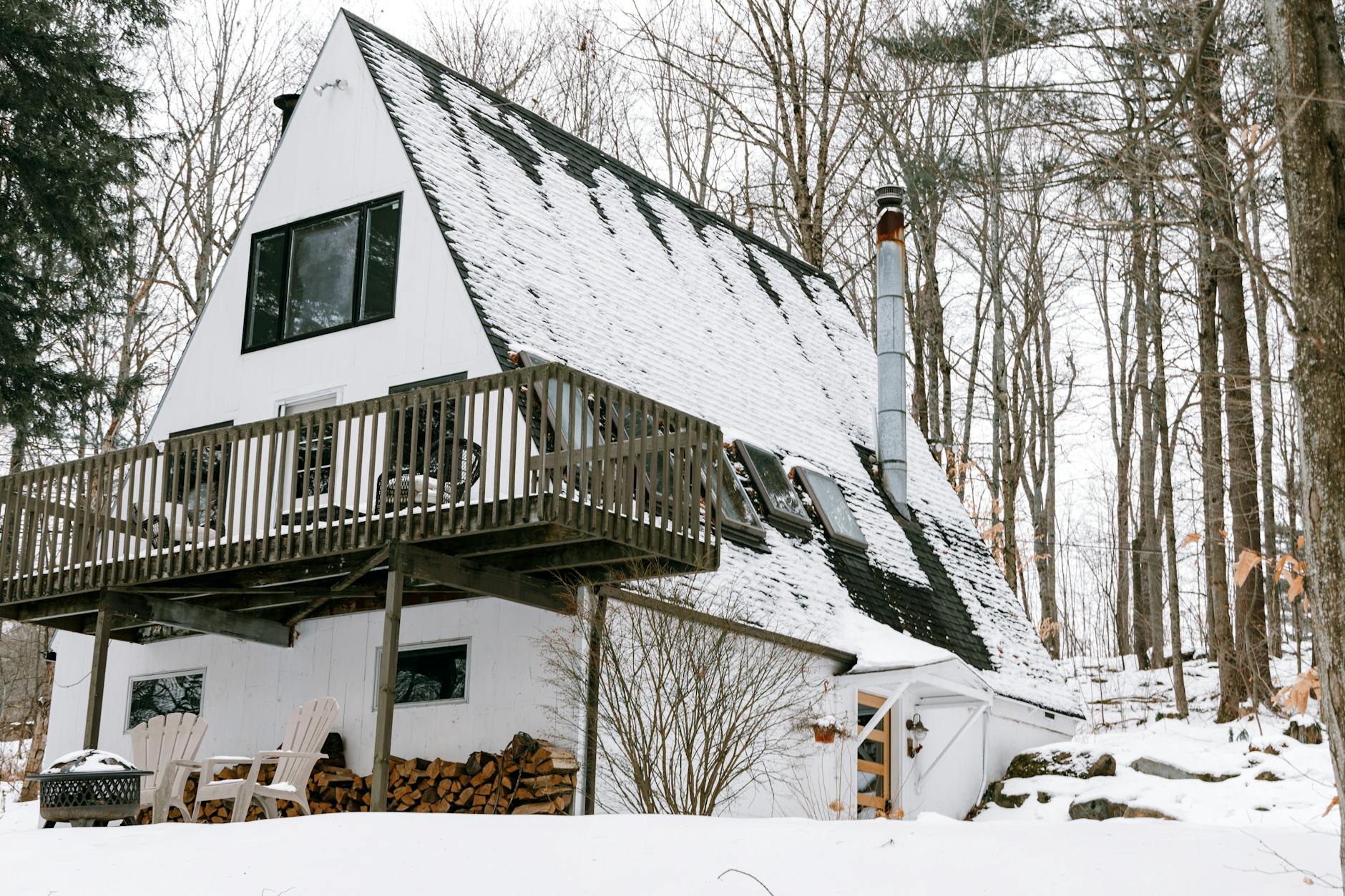
- Exterior in winter conditions — If you're listing primarily as a ski rental, the exterior shot should show snow. A green-lawn summer photo signals "summer rental" to ski guests.
- Hot tub, fireplace, and amenity shots — These drive click-throughs. Stage them well: hot tub steaming, fireplace lit, kitchen set up as if someone's about to cook.
- Every bedroom — Guests count bedrooms in photos. Missing rooms create uncertainty and lost bookings.
- Lead photo — Your most compelling shot — usually the exterior or the main amenity — goes first.
5. Listing Optimization
- Title — Lead with your strongest amenity and location signal. "Ski Chalet w/ Hot Tub | 5 Min to Stratton" outperforms "Beautiful Vermont Home."
- Description — Describe what guests experience, not just what the house has. Lead with the reason they're booking (ski access, mountain views, space for a group).
- Amenities checklist — Complete it fully. Airbnb filters by amenities; missing a hot tub checkbox means you disappear from hot tub searches.
- Instant Book — Enabling Instant Book typically increases booking velocity. Consider enabling it with pre-approval requirements if you want some control.
- House rules — Be specific. "No parties" is vague. Specify max occupancy, pet policy, noise cutoff, parking limits, and any specific property rules (no ski boots indoors, etc.).
- Check-in instructions — Write these before your first booking. Smart lock code distribution, parking instructions, where things are. Don't figure it out when the guest messages you at 7pm on their check-in day.
6. Pricing Setup
- Don't use Airbnb Smart Pricing — Airbnb's pricing tool is designed to fill nights, not maximize revenue. It will consistently underprice your property during peak demand. Use a third-party dynamic pricing tool (PriceLabs, Wheelhouse, or Beyond Pricing) or set rates manually based on market data.
- Set peak season rates explicitly — Stratton's peak weeks: Presidents' Day weekend, Christmas/New Year's week, MLK weekend, and Thanksgiving weekend. Set these manually at above-market rates. They will fill.
- Set a minimum night requirement — Most Stratton-area hosts require 2–3 nights minimum, 5–7 nights during holiday weeks. One-night turnovers are operationally difficult and financially inefficient.
- Cleaning fee — Price it at actual cleaning cost. Guests see cleaning fees increasingly clearly now that platforms show total price up front.
7. Operations Setup
- Cleaning crew — Have a reliable cleaner booked before you accept your first reservation. In the Stratton area, good cleaners book out fast in ski season. Secure your cleaner relationship early.
- Linen supply — Decide whether you're supplying linens or providing bed covers only. For a managed STR, providing full linen service (sheets, towels, bathmats) is standard. Have 2–3 full sets per bed to allow for same-day turnovers.
- Maintenance contact — Have a local handyman, plumber, and HVAC contact in your phone before your first booking. Something will break. Having contacts on-call is the difference between a one-star review and a five-star review.
- Property access — Smart locks eliminate key management complexity. Set up a code rotation system so each booking gets a unique code.
- Welcome guide — A printed or digital welcome guide with house instructions, local recommendations, WiFi password, and FAQs reduces guest questions and increases review scores.
8. Accounting Setup
- Separate bank account — Open a dedicated account for STR income and expenses. This is the single most important accounting step and costs nothing.
- Track all income by source — Platform income and direct booking income need to be tracked separately for MRT compliance.
- Expense categories — Start categorizing from day one: cleaning, maintenance, supplies, management fees, mortgage interest, insurance, depreciation. Your accountant will need this for Schedule E.
- MRT remittance schedule — If you take any direct bookings, you need to remit Vermont MRT monthly or quarterly. Set a calendar reminder so you don't miss filings.
Before Your First Guest: Final Walk-Through
Before accepting your first booking, do a complete walk-through as a guest would experience it:
- Enter through the front door as guests would. Does the code work?
- Check that all lights work.
- Test the WiFi from every room.
- Run the dishwasher, washing machine, and dryer through a full cycle.
- Test the hot tub jets and check the water chemistry.
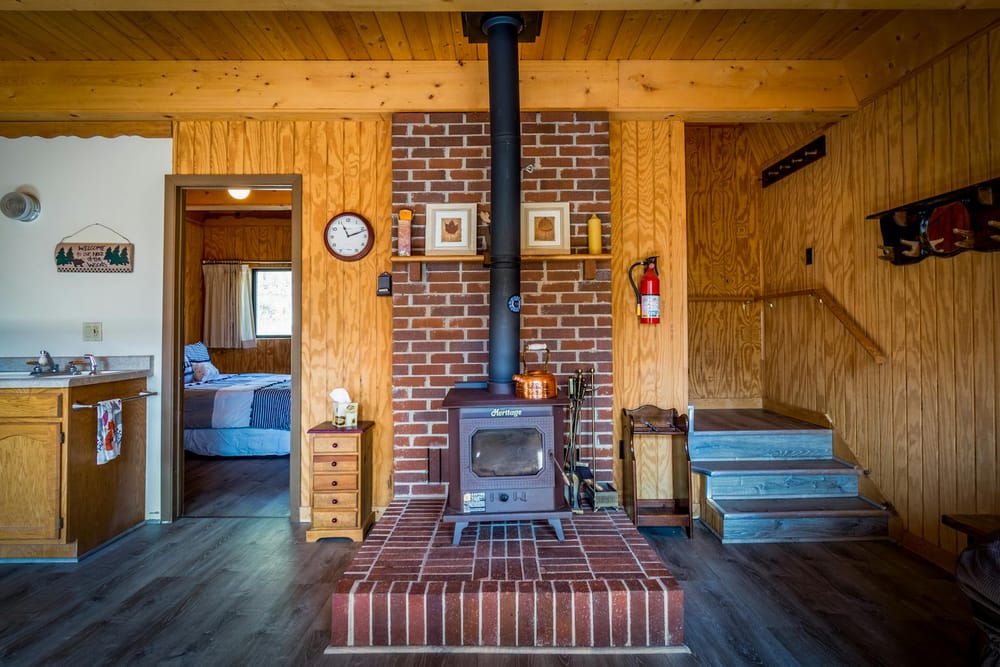
- Light the fireplace (if gas) or confirm the wood supply and flue operation (if wood).
- Check all TV remotes and streaming apps.
- Open every cabinet: confirm you have enough dishes, pots, glasses, and flatware for your max occupancy.
- Stock the kitchen with oil, salt, pepper, coffee filters, and trash bags. These cost nothing and get mentioned in reviews.
The first impression your first guests have will set the trajectory of your listing's review history. It's worth spending a few hours on this walk-through before you open the calendar.
Related reading
- Vermont Airbnb Host Tips: How to Earn Superhost Status Near Stratton
- Airbnb Bookkeeping Vermont: What to Track, What to Deduct, What to Hand Off
- Airbnb Management Fees in Vermont: What You Should Actually Pay
Related guides for Vermont STR owners