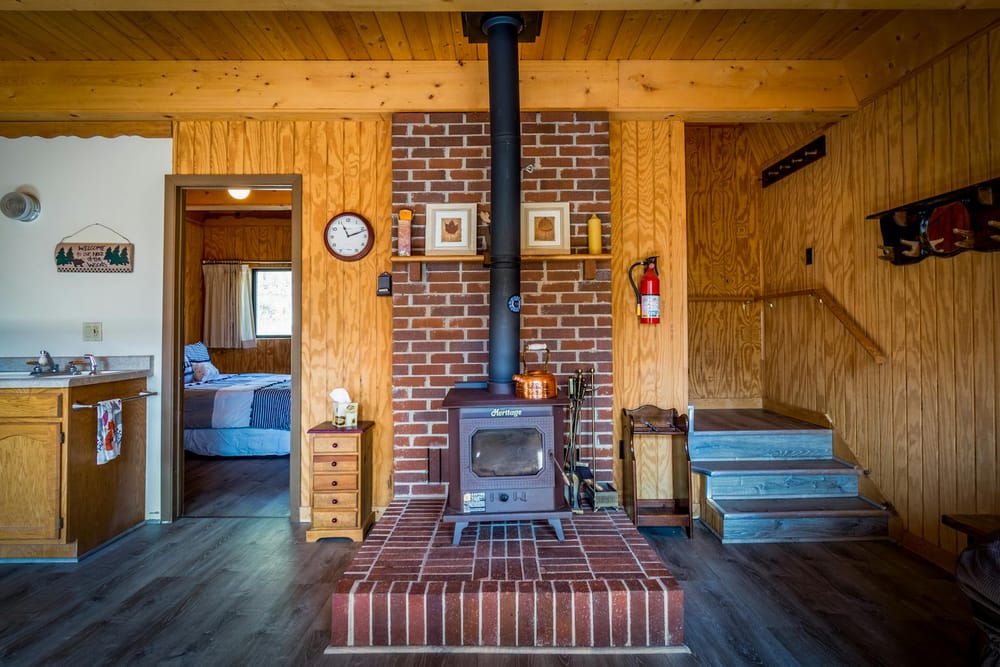
There is no single Vermont short-term rental law. What governs your property is a combination of state tax requirements, local town ordinances, building and fire safety codes, and environmental rules — and they don't all live in one place. This guide covers the full picture for southern Vermont owners, specifically those in the Stratton Mountain area: Winhall, Bondville, Manchester, Londonderry, and Dover.
1. Vermont Meals and Rooms Tax: The Foundation
Every short-term rental in Vermont — regardless of platform, price point, or how many nights you rent — is subject to the Vermont Meals and Rooms Tax (MRT). This is not a local option; it's a state requirement that applies statewide.
The Rate
The current MRT rate on lodging is 9% on gross rental income, plus a 3% state rooms surcharge — making the effective rate on short-term rentals 9% in most cases, with the combined obligation varying slightly depending on how your rental is structured. Confirm the current rates with the Vermont Department of Taxes, as these can change with legislative sessions.
How Platform Bookings Work
Airbnb and VRBO both collect and remit MRT automatically for bookings made through their platforms. This means the tax is handled for most of your transactions — but it does not mean you're off the hook for registration or compliance.
You are still required to register with the Vermont Department of Taxes as a lodging operator. You are still responsible for MRT on any direct bookings — a returning guest who contacts you to book outside the platform, a booking through your own website, a referral booking made by email. On those transactions, you collect the tax from the guest and remit it yourself on the required schedule.
Owners who have been operating for years and taking occasional direct bookings without remitting MRT are exposed to back tax liability. The Vermont Department of Taxes has become more active in identifying short-term rental operators. Our complete Vermont MRT guide covers registration, the remittance process, and how to handle direct booking compliance correctly.
What Counts as Gross Rental Income
MRT applies to the rental amount charged, not including cleaning fees in most cases — but the specifics matter. Read the Vermont Department of Taxes guidance on what's included in the taxable base. Cleaning fees billed separately from the nightly rate are generally not subject to MRT, but cleaning fees built into the nightly rate are. Get this right before you build your pricing structure.
2. Town-Level Rules: The Patchwork
Vermont's home rule tradition means towns have significant latitude to regulate — or not regulate — short-term rentals within their borders. The result is a genuinely inconsistent landscape, even within a small geographic area like southern Vermont.
Winhall
Winhall has been among the more proactive Vermont towns on STR oversight. The town sits directly on Stratton Mountain Resort and has a high density of vacation rentals relative to its year-round population. The select board has been paying attention, and the regulatory environment has been evolving. Before listing a property in Winhall, contact the town clerk's office to understand current registration or permit requirements. Do not assume that because a neighbor is operating without any formal registration that there's nothing to comply with — requirements can exist and not be uniformly enforced until they are.
Bondville
Bondville is an unincorporated village within Winhall, so Winhall town regulations apply. Same guidance: check with the town clerk before listing.
Manchester
Manchester has a more developed regulatory environment, partly driven by its larger year-round population and active business community. STR activity in Manchester proper has gotten more scrutiny. Check with the town clerk and be prepared for zoning overlay requirements depending on where in Manchester your property sits.
Londonderry
Londonderry has been relatively hands-off compared to Winhall, but this can change. Town-level STR regulation in Vermont has been accelerating since 2022, and towns that were quiet on the issue two years ago are now actively discussing it. File this as "check before listing, then check again annually."
Dover
Dover — which sits near Mount Snow — has its own dynamics. Dover has a substantial STR market and has been working through its own regulatory questions. The Mount Snow proximity creates similar pressure to what Winhall faces from Stratton.
For a detailed town-by-town breakdown of registration requirements and where each town currently stands, see our Vermont STR licensing and registration guide.
3. Fire Safety Requirements
Vermont's fire safety requirements for short-term rentals are not optional and are not purely self-reported. They are real requirements that affect your liability if something goes wrong.
Required Equipment
- Smoke detectors: Required on every floor and in every sleeping area. Battery-operated detectors must be tested and functioning; hardwired detectors with battery backup are preferable. Replace them if they're more than 10 years old.
- Carbon monoxide detectors: Required in any property with a fuel-burning appliance (gas stove, oil or gas furnace, wood stove, fireplace, attached garage). Vermont law is specific about CO detector placement near sleeping areas.
- Fire extinguisher: At minimum, one accessible fire extinguisher per floor, inspected and within its service date. In a vacation rental context, mount them in visible, accessible locations — not in a cabinet under the sink.
- Egress: Every sleeping area needs a code-compliant egress window or door. If your property has a finished basement bedroom, confirm the egress window meets size requirements.
Documentation
Keep records of smoke detector and CO detector installation dates, fire extinguisher service dates, and any fire inspection you've had. If a guest is injured in a fire-related incident and you have no documentation that you maintained required equipment, your liability exposure is significant. Platforms like Airbnb ask hosts to certify that their properties meet safety requirements — treat that certification seriously.
4. Wastewater and Septic: A Vermont-Specific Risk
Vermont has some of the most stringent wastewater permitting rules in the country. This is particularly relevant for STR owners in rural southern Vermont, where the vast majority of properties are on private septic systems rather than municipal sewer.
The Core Issue
Vermont's Act 250 and related Agency of Natural Resources (ANR) rules require wastewater systems to be permitted for their intended use. "Intended use" includes occupancy level. A septic system designed for a 3-bedroom single-family residence has a permitted occupancy capacity — typically based on bedroom count and number of residents. If you list that property for 10 guests and the system was permitted for 4–6 people, you may be operating outside your permit.
What to Do
If your property was built before 1989, pull your wastewater permit from the Vermont ANR database or contact the ANR. Confirm that your permitted system capacity is consistent with the occupancy you plan to list. If it's not, you have options — system upgrades, capacity restrictions in your listing — but you need to know where you stand before guests arrive.
Properties built after 1989 are more likely to have been permitted under modern ANR rules, but confirm anyway. The ANR database is searchable online.
5. What's Coming: The Regulatory Trend
Vermont has been slowly moving toward more STR regulation at both the state and local level, and the direction of travel is clearly toward more oversight, not less. Here's what to watch:
Statewide STR Registry
Vermont has discussed a statewide short-term rental registry in recent legislative sessions. A formal registry would require all STR operators to register with the state (beyond MRT registration), providing property addresses and contact information. This hasn't passed yet, but it has serious legislative momentum. Operators who are already registered for MRT and compliant with local rules will have a smoother path when this becomes law.
Workforce Housing Pressure
Vermont has a severe workforce housing shortage, and short-term rentals have become a political target in this context — particularly in ski towns where housing that could house workers is instead rented to tourists. This political pressure has been driving local regulation in Winhall and other ski-adjacent towns. It's not going away.
The Right Response
Register now. Get your MRT compliance right. Check your town rules and comply with them. Operators who are ahead of the regulatory curve will have more flexibility when requirements tighten. Operators who have been ignoring compliance requirements will face more disruption.
If you're trying to understand whether renting your Vermont property makes sense given the regulatory environment, our guide on whether to Airbnb your Vermont property addresses this directly, including how compliance costs factor into the income equation.
A Note on Professional Management and Compliance
One underrated benefit of working with a property manager who knows this market is that compliance doesn't fall entirely on you. We handle MRT registration guidance, stay current on Winhall and Bondville town requirements, and flag issues when they arise. For owners who don't want to be the ones tracking whether Winhall's select board updated its STR policy, that has real value.
Our management cost breakdown covers what full-service management costs versus the time and compliance burden of self-managing.
Get a free property estimate — we'll walk you through the compliance steps specific to your property's location and tell you what your property can realistically earn once you're set up correctly.
Related reading
- Short-Term vs Long-Term Rental in Vermont: Which Makes More Money?
- Vermont Short-Term Rental Bookkeeping: The Complete Guide for Airbnb Hosts
- Vermont Short-Term Rental Taxes: The Complete 2026 Guide
- How to Choose a Vacation Rental Management Company in Vermont: An Owner's Guide
- How to Price Your Vermont Vacation Rental: A Dynamic Pricing Guide
Related guides for Vermont STR owners