You've found a house you like. It's on Airbnb, and it's also on the owner's own website for what looks like a slightly better price. Same house, same beds, same hot tub. So what actually changes if you skip the platform and book direct?
More than most guests realize, and less than some direct-booking sites want you to believe. Here's the honest breakdown for anyone deciding between the two, especially for a Vermont ski house or group rental near Stratton.
What you actually pay is different (and usually lower)
The most concrete difference is money. Airbnb charges guests a service fee that typically runs 14–16% of the nightly rate, on top of the nightly rate the host sets. That fee doesn't go to the house, the cleaner, or the owner. It goes to Airbnb.
When you book direct, that fee disappears. Some owners pass the full savings to you. Others split it — you save 8–10%, they keep a bit more margin. Either way, you're usually paying less for the same nights.
On a $500/night house for a week, Airbnb's guest fee alone adds roughly $500–600 to your total. That's not a rounding error. For a group of eight splitting the bill, it's real money — enough to cover dinner out one night or a set of ski rentals for a couple of first-timers.
The other line item to watch is the cleaning fee. It's usually the same on both platforms (owners set one fee and use it everywhere), but on Airbnb it shows up more prominently at checkout. Direct sites vary in how they display it.
Who you talk to when something goes wrong
This is where the two paths really diverge, and it's the part guests don't think about until they need to.
On Airbnb, if the hot tub isn't working or the heat won't come on, you have two channels: the host (through the app) and Airbnb support (also through the app). In theory, that's a backup. In practice, Airbnb support is a call center that doesn't know your house, doesn't know your area, and can't send a plumber. They can offer refunds and mediate disputes, but they can't fix anything.
When you book direct with a real property manager or owner, you get a phone number. You call it. Someone who knows the house — often someone within a 20-minute drive — answers. For a mid-trip problem like a tripped breaker, a fussy sauna, or a delivery question, direct wins on speed almost every time.
Where Airbnb wins: if the host disappears or the listing is misrepresented, Airbnb has a formal refund process and will step in. If you book direct with a random owner and they ghost you, your options are your credit card company and small claims court. That's why who you book direct with matters — an established local manager is very different from a one-off owner running a spreadsheet.
Cancellation, refunds, and the fine print
Airbnb standardizes cancellation policies into buckets: Flexible, Moderate, Firm, Strict. You know what you're getting. Their "AirCover" also provides some baseline guest protections for things like the listing being significantly different than advertised.
Direct bookings run on the owner's or manager's own terms. Sometimes those are more generous (a local manager might offer a no-questions-asked reschedule inside a season). Sometimes they're stricter. You have to actually read the rental agreement, which — good news — is usually a real document rather than a series of tap-through screens.
A few things to check before booking direct:
- What's the cancellation window, and is any portion refundable?
- Is travel insurance offered or required?
- What happens if the house is uninhabitable when you arrive (frozen pipes, power outage)?
- Who's responsible for damage, and how big is the security deposit hold?
Reputable managers answer these questions in writing without hesitation. If you're getting vague answers, that's your signal.
The actual experience in the house
Here's the part nobody talks about: once you're through the door, it's the same house. The sheets, the sauna, the wood stove, the driveway that needs plowing at 6am — all identical. Airbnb doesn't send a magic layer of hospitality along with the booking.
What varies is the pre-arrival and in-stay communication, and that comes down to the operator, not the platform. A good direct-booking manager will send you a proper arrival guide: gate codes, parking rules, where the plow guy leaves gaps, which grocery store is actually open on the drive in. (If you need help there, our stock-the-cabin grocery guide lays it out.)
A lazy Airbnb host sends "check-in instructions attached, enjoy!" and disappears. A lazy direct-booking owner does the same thing. The platform doesn't determine effort.
What direct booking does tend to unlock:
- Flexibility on check-in times. Airbnb enforces platform rules. A direct manager can often let you drop bags early or leave late if the calendar allows.
- Add-ons. Firewood delivery, ski shuttle arrangements, private chef referrals, grocery stocking. These are easier to arrange when you're talking to a human.
- Repeat-guest treatment. If you rebook the same house directly the next year, most managers will hold dates, offer a small return-guest discount, or upgrade you if a bigger house opens up.
When Airbnb is actually the right choice
Direct isn't always better. A few scenarios where booking through Airbnb makes more sense:
You've never used this manager before and can't find outside reviews. Airbnb reviews are verified — the person actually stayed there. Direct-booking sites can show curated testimonials. If you can't verify the operator any other way, the Airbnb review history is a form of trust insurance.
You're paying with an Airbnb gift card or credit. Obvious, but people forget.
You want the AirCover safety net for a big-ticket booking. If something goes catastrophically wrong on a $10,000 week and you're not sure about the operator, having Airbnb's dispute process behind you has value.
You're booking last-minute in a market you don't know. The platform's search and filter tools are genuinely better than most individual sites for browsing.
For repeat trips, group bookings, or any stay where you already know the house or manager, direct usually wins on price and service.
How to book direct without getting burned
If you're going direct for the first time, a few practical checks protect you:
- Verify the operator is real. Look for a business name, physical address, and Google reviews. For Vermont, check that they know the local landscape — a good manager will casually reference things like mud season timing or which weekends are hardest to book.
- Pay by credit card, not wire or Zelle. Credit cards give you chargeback rights. If someone insists on bank transfer for the full amount, walk away.
- Get everything in writing. A rental agreement, a receipt, a confirmed arrival email. If communication is all via text, save the thread.
- Cross-check the listing. If the same house is on Airbnb, look at the photos and reviews there too. It's free due diligence.
- Ask about the local specifics. Where do we park? Is there 4WD required to reach the house? (Sometimes yes — see our honest take on winter driveways here.) What's the wifi situation? Answers to these tell you whether the operator actually knows the property.
A note on trip planning, either way
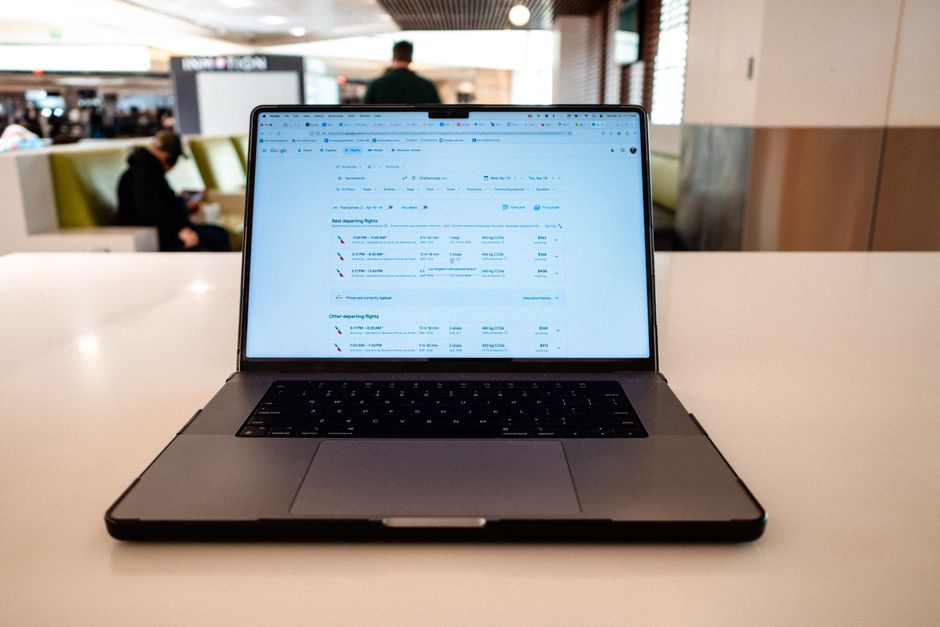
Whichever way you book, the planning work is the same. You still need to figure out flights (our comparison of Albany vs. Manchester vs. Boston as your Stratton airport is worth a read), pack for weather that swings 40 degrees in a week, and coordinate a group that may or may not agree on dinner plans.
For groups specifically, direct booking often works better because the payment logistics are less rigid. If four families are splitting a house, most managers will accept a single payment or coordinate a couple of installments. If you haven't worked out how to divide the bill yet, our guide to splitting costs fairly on a group rental covers the awkward parts.
And if you're bringing pets, a big group, or specific requirements (EV charger, crib, dietary needs), direct is nearly always easier because you can ask real questions and get real answers before you commit.
Frequently Asked Questions
Is it actually safe to book a vacation rental outside of Airbnb?
Yes, if you're booking with an established property manager or a verifiable business. Use a credit card, insist on a written rental agreement, and check for Google reviews or a business address outside the booking site itself. Random one-off listings from anonymous owners on Craigslist or Facebook Marketplace are a different story — those carry real risk.
How much do I actually save booking direct?
Typically 8–15% of the total, depending on how much of the Airbnb service fee the operator passes back to the guest. On a $3,000 booking that's $240–450 in your pocket. Some operators also skip Airbnb's mandatory tipping prompts and processing charges, which adds another small savings.
What if the house has a problem during my stay and I booked direct?
You call the manager or owner directly. A professional local operator will have someone on call and often can be at the house within an hour or two — much faster than the Airbnb support chat can arrange anything. This is one of the biggest practical advantages of booking direct with a real manager rather than an absentee owner.
Do direct-booking sites offer travel insurance or damage protection?
Most professional ones do, either through partners like Rental Guardian or as an optional add-on at checkout. Coverage varies, so read what's actually included — some policies cover trip cancellation, others cover accidental damage, some cover both. If it's not offered, you can buy standalone travel insurance from providers like Allianz or Travel Guard.
The takeaway
Booking direct usually saves you money and gets you faster support during your stay — but only if the operator on the other end is legitimate and responsive. Airbnb offers standardization and a safety net, which is worth the fee if you're booking somewhere unfamiliar with an operator you can't verify.
For a Vermont ski house you'll come back to, direct almost always wins after the first stay. The relationship compounds: better dates, better rates, better answers.
If you're weighing a specific Far & Away property, you can check availability on our site and compare it to the Airbnb listing yourself. Same house, same photos, and usually a lower total.